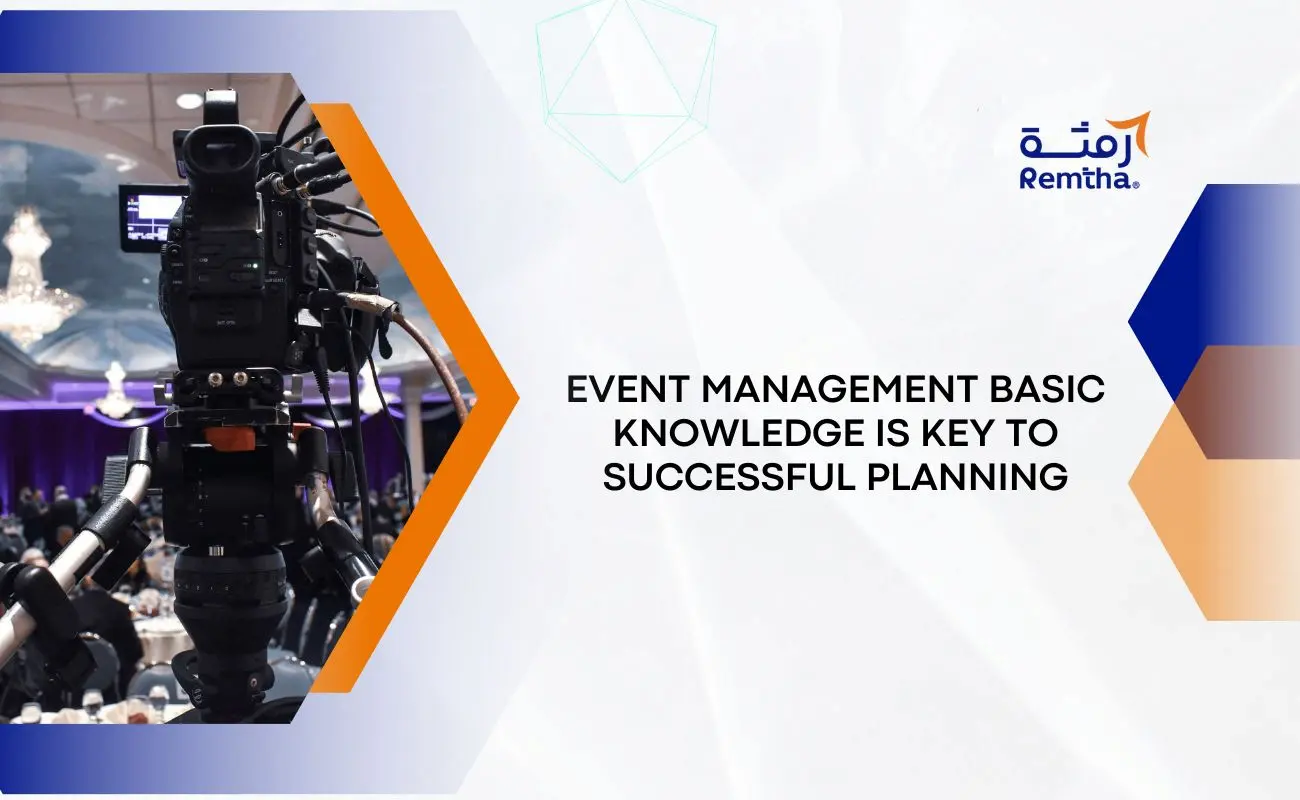
Event management basic knowledge is the foundation of every successful event, guiding organizers from concept to flawless execution. In Saudi Arabia, where the events industry is rapidly expanding under Vision 2030, understanding the fundamentals has become essential for professionals and entrepreneurs alike. From planning logistics and managing vendors to mastering audience engagement, strong event management skills ensure efficiency, creativity, and impact. With a market driven by innovation, culture, and business opportunities, knowing the basics is no longer optional; it’s the key to delivering memorable experiences that reflect Saudi Arabia’s dynamic growth and global vision.
What is Event Management Basic knowledge ? Defining the Basics?
Event management is the process of planning, organizing, and executing events of various types and scales, including conferences, exhibitions, festivals, and corporate gatherings. It involves coordinating multiple elements such as budgeting, scheduling, venue selection, logistics, design, marketing, and post-event evaluation. Successful event management requires both creativity and precision, balancing the artistic vision of an event with practical execution. In Saudi Arabia, event management basic knowledge plays a crucial role in shaping the professionalism and structure of the industry. It integrates innovation, cultural understanding, and strategic planning to deliver experiences that align with the Kingdom’s global ambitions and growing demand for world-class events.
Why Event Management Basic Knowledge is Essential for Success?
Having a solid foundation in event management basic knowledge is crucial for achieving success in a competitive and fast-evolving industry. This knowledge enables professionals to anticipate challenges, manage resources effectively, and maintain control over every stage of an event’s lifecycle. It helps organizers understand how to develop a clear strategy, communicate effectively with stakeholders, and ensure smooth coordination among teams. In Saudi Arabia, where the events sector plays a major role in tourism, entertainment, and corporate development, mastering event management ensures that every event not only runs efficiently but also reflects high standards of creativity and alignment with Vision 2030.
Explore the meaning and definition of event management.
What are the main features of event management software in Saudi Arabia?
Event management software in Saudi Arabia has become an essential tool for applying event management basic knowledge in a digital, efficient way. The main features include:
- Comprehensive Planning Dashboards: Allowing organizers to manage timelines, tasks, and team responsibilities in one centralized system.
- Online Registration and Ticketing: Simplifying attendee sign-ups, payments, and confirmations with integrated digital solutions.
- Automated Communication Tools: Sending real-time updates, notifications, and reminders to participants and staff.
- Budget and Resource Management: Tracking expenses, vendor contracts, and inventory to ensure cost efficiency.
- Data Analytics and Reporting: Providing insights into attendance, engagement, and overall performance for future improvement.
- Integration with Marketing Platforms: Enabling event promotion across social media, email, and digital advertising channels.
- Multilingual and Culturally Adapted Interfaces: Reflecting the diverse audience in Saudi Arabia and ensuring accessibility for both Arabic and English users.
What are the most important steps to start an event management project in Saudi Arabia?
Starting an event management project in Saudi Arabia requires a clear vision, detailed planning, and a strong understanding of event management. The most important steps include:
- Market Research: Study the local events sector, audience preferences, and legal requirements before launching the project.
- Business Registration and Licensing: Obtain all necessary permits from relevant authorities such as the Ministry of Commerce and the General Entertainment Authority.
- Defining Your Niche: Decide whether your focus will be on corporate events, weddings, exhibitions, or cultural festivals.
- Building a Skilled Team: Recruit professionals with expertise in logistics, design, marketing, and vendor management.
- Creating a Business Plan: Outline goals, services, financial forecasts, and marketing strategies aligned with Saudi Vision 2030.
- Establishing Vendor Partnerships: Build relationships with reliable suppliers, venues, and service providers across the Kingdom.
- Investing in Technology: Use modern event management software to streamline planning, coordination, and reporting.
- Developing a Strong Brand Identity: Create a professional image that reflects quality, creativity, and trustworthiness.
Explore Winning Strategies from Popular Event Management Companies.
How to understand the event management market and cultural conditions in Saudi Arabia?
Understanding the Saudi event management market requires more than knowing business trends; it demands cultural awareness, regulatory insight, and a strong base of event management basic knowledge. Saudi Arabia’s event landscape is influenced by national values, social norms, and government initiatives that encourage entertainment, tourism, and business growth under Vision 2030.
Key points to consider include:
- Cultural Sensitivity: Respecting local traditions, gender norms, and community expectations in event design and execution.
- Government Regulations: Staying compliant with licensing, security, and public gathering laws.
- Market Segmentation: Recognizing diverse audiences—from corporate sectors to family-oriented entertainment and youth events.
- Economic Growth: Leveraging the Kingdom’s expanding investment in mega-events and cultural festivals as opportunities for partnerships.
- Technological Transformation: Adapting to the rise of digital platforms, hybrid events, and smart venues across major cities like Riyadh and Jeddah.
Explore the Top objectives for event management company.
How to Develop a Solid Event Management Plan: From Idea to Execution?
Developing a successful event management plan involves transforming an initial idea into a structured roadmap guided by event management. The process includes:
- Setting Clear Objectives: Define the purpose, target audience, and measurable goals of the event.
- Creating a Concept and Theme: Design a central idea that reflects the client’s message and appeals to the audience.
- Budget Planning: Allocate funds efficiently across venue rental, production, marketing, and contingency expenses.
- Timeline Development: Establish a detailed schedule that covers all phases from preparation to post-event analysis.
- Vendor and Supplier Coordination: Select and manage vendors who meet quality and reliability standards.
- Marketing and Promotion: Use digital and traditional channels to attract and engage attendees.
- Risk Management: Identify potential risks and prepare alternative solutions for emergencies.
- Execution and Monitoring: Supervise on-site activities to ensure smooth operations and quick problem-solving.
- Post-Event Evaluation: Gather feedback, analyze data, and document lessons learned for future improvement.
Event Management Required Skills for Professional Success.
What are the essential skills every event manager should have?
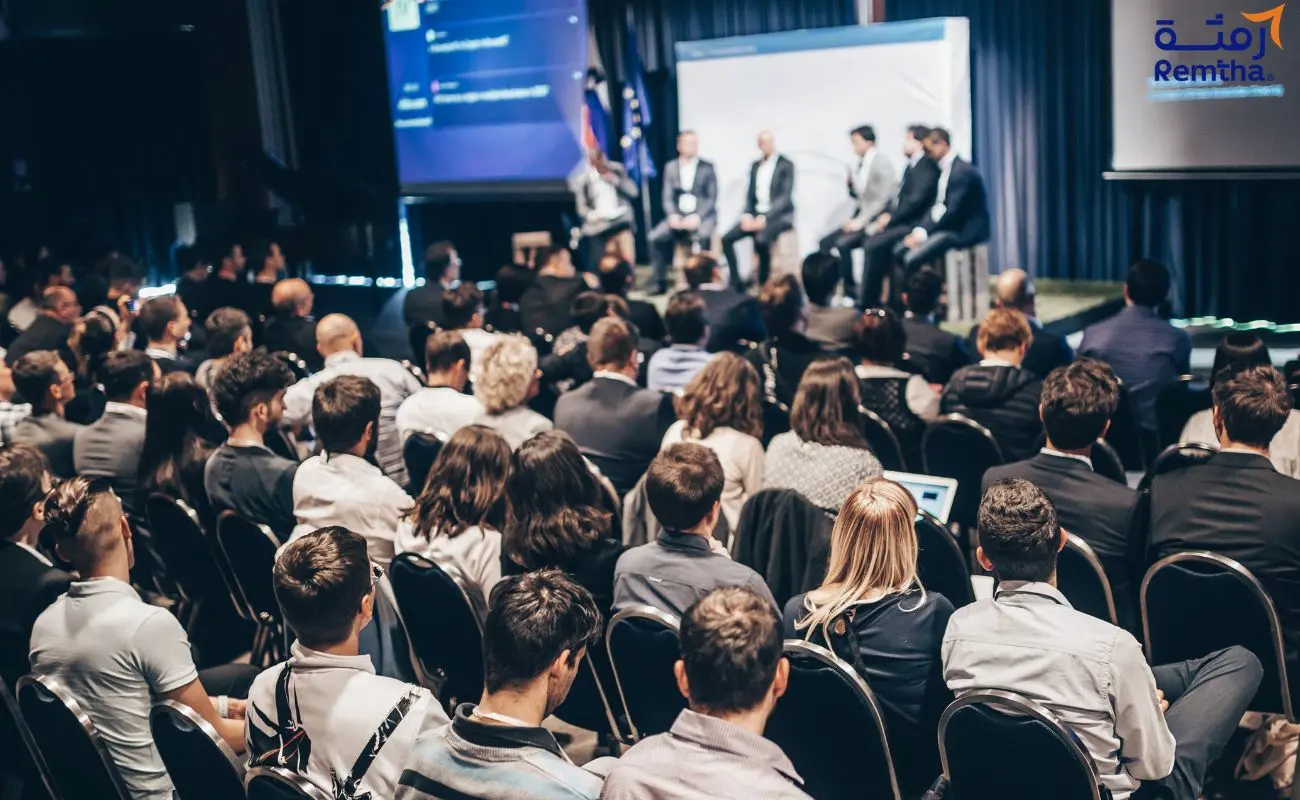
To succeed in Saudi Arabia’s rapidly growing event industry, every event manager must possess a strong mix of technical, organizational, and interpersonal abilities rooted in event management. The most essential skills include:
- Organization and Time Management: The ability to manage multiple tasks, deadlines, and teams simultaneously.
- Budgeting and Financial Planning: Understanding how to allocate resources efficiently and control costs without compromising quality.
- Creativity and Problem-Solving: Developing innovative concepts while adapting quickly to unexpected challenges.
- Leadership and Team Coordination: Guiding teams effectively, delegating responsibilities, and maintaining motivation throughout the event process.
- Communication Skills: Ensuring clear, professional, and culturally sensitive interactions with clients, vendors, and guests.
- Negotiation and Vendor Management: Securing the best deals and building strong, trustworthy partnerships.
- Attention to Detail: Maintaining precision in logistics, design, and timing to ensure flawless execution.
- Technical Literacy: Using event management software and digital tools for efficient planning and reporting.
Explore the crowd management in event management.
How to Choose Reliable Vendors for Your Events in Saudi Arabia?
Selecting reliable vendors is a critical step in applying event management effectively. The quality of vendors such as caterers, decorators, and audiovisual providers can determine the overall success of an event. To ensure reliability:
- Check Reputation and References: Review past work, client testimonials, and industry standing.
- Evaluate Experience: Choose vendors familiar with the Saudi market and its cultural and logistical conditions.
- Assess Communication Skills: Reliable vendors respond promptly and maintain transparency throughout the planning process.
- Verify Legal Compliance: Ensure they hold all required licenses and certifications in accordance with Saudi regulations.
- Compare Offers and Contracts: Request multiple quotations, read contracts carefully, and confirm all terms in writing.
- Inspect Quality Firsthand: Visit previous setups or request samples to evaluate work quality.
- Build Long-Term Partnerships: Favor vendors who show consistency, flexibility, and commitment beyond a single event.
Explore The Role of Logistics in Event Management for Seamless Experiences.
What is the role of effective communication and coordination in event management?
Effective communication and coordination form the backbone of event management basic knowledge, ensuring that all aspects of an event come together seamlessly. Event management involves multiple stakeholders, clients, teams, vendors, sponsors, and attendees making clear communication essential for success.
- Internal Coordination: Aligning internal teams ensures everyone understands their roles, responsibilities, and timelines.
- Client Communication: Regular updates and transparent dialogue build trust and keep project goals aligned.
- Vendor Coordination: Precise communication prevents misunderstandings, delays, and logistical issues.
- Crisis Management: Strong coordination allows for fast decision-making during unexpected situations.
- Audience Engagement: Effective messaging before, during, and after the event enhances participation and satisfaction.
Conclusion
The Saudi event management industry continues to expand as Vision 2030 accelerates cultural, entertainment, and business transformation. Success in this dynamic field relies on mastering event management, the foundation that ensures efficiency, creativity, and alignment with national values.
Professionals who understand the market’s cultural nuances, embrace technology, and apply strategic planning can turn ordinary gatherings into powerful communication platforms. Companies like Remtha embody this balance, setting new benchmarks for professionalism and innovation. As Saudi Arabia evolves into a global hub for world-class events, the demand for skilled event managers and visionary production firms will only continue to rise, shaping a future where creativity meets precision.
FAQ
What is event management?
It’s the fundamental understanding of planning, organizing, and executing events efficiently, covering logistics, budgeting, communication, and teamwork.
Why is it important in Saudi Arabia?
Because the event industry is rapidly expanding under Vision 2030, it requires professionals who combine organization with creativity and cultural awareness.
What tools support modern event management?
Event management software streamlines planning, registration, coordination, and reporting, improving productivity and communication.
Which company stands out in Saudi Arabia?
Remtha is a leading example, known for integrating innovation, precision, and event management to deliver world-class events across the Kingdom.